Artificial intelligence is changing the way people create, work, and communicate. From AI generated images and music to automated writing tools and digital design platforms, technology is now capable of producing content that once required significant human effort. These developments have sparked an important question across creative industries: can technology truly replace human creativity?
There is no doubt that artificial intelligence is impressive. It can process enormous amounts of information, identify patterns, and generate content within seconds. AI can create artwork inspired by famous painters, compose music, and even produce visual designs that appear polished and sophisticated. As these technologies continue to evolve, many people wonder whether machines might eventually outperform human artists.
Yet creativity is about far more than producing an image or generating an idea. True creativity is shaped by emotion, memory, culture, personal experience, and imagination. Artists create from their unique perspectives, drawing inspiration from their lives, communities, histories, and aspirations. What makes a work of art meaningful is often not just its appearance, but the story, intention, and human experience behind it.
History shows that technological innovation has always influenced artistic practice. Photography transformed painting, digital tools changed graphic design, and the internet revolutionized how artists share their work with the world. However, these innovations did not replace artists. Instead, they expanded the ways in which creativity could be expressed. Technology became a tool that enhanced artistic possibilities rather than eliminating the need for human vision.
This remains true in the age of artificial intelligence. While AI can assist with creative processes, it cannot fully replicate the emotional depth and cultural understanding that define meaningful art. An artist responding to heritage, social change, personal challenges, or cultural identity brings something unique that cannot be generated solely through algorithms. The value of art often lies in this authenticity and human connection.
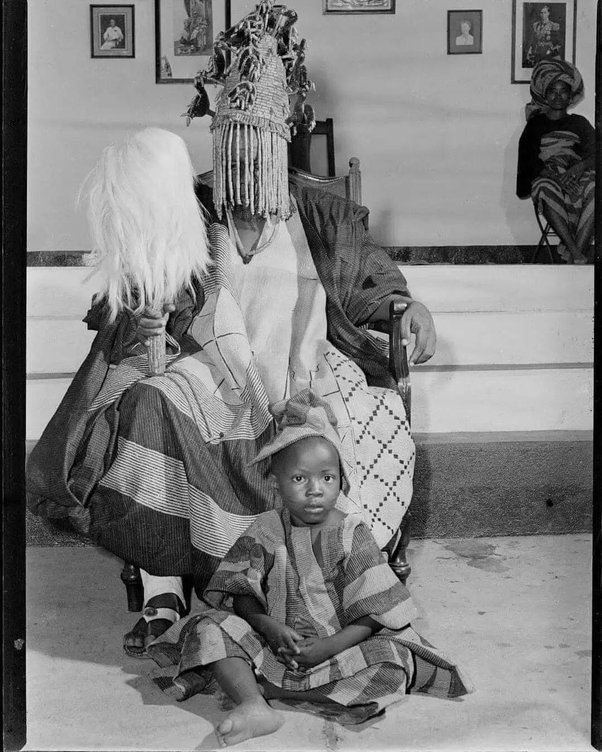
Within Contemporary African art, this distinction is particularly important. Artists across Africa continue to explore themes of identity, history, tradition, community, and transformation through their work. Their creations are shaped by lived experiences and cultural narratives that reflect the richness of the societies from which they emerge. While technology may influence how art is produced or shared, the inspiration behind the work remains deeply human.
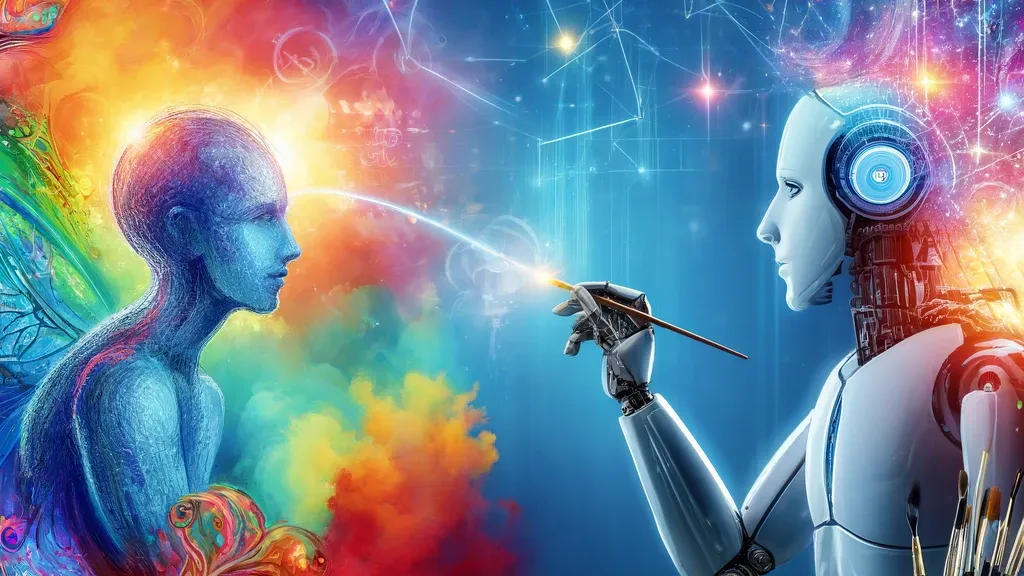
Perhaps the better question is not whether technology will replace creativity, but how it can support it. Artists who embrace innovation while staying true to their vision may discover new ways to communicate ideas and engage audiences. The future of art is likely to be defined by collaboration between human imagination and technological advancement rather than competition between the two.
At Crowne Art Gallery, we believe that technology can expand creative opportunities, but the essence of art will always be human. Creativity is the ability to transform experiences into meaning, emotions into expression, and ideas into stories that resonate across generations. As artificial intelligence continues to evolve, authentic human creativity may become even more valuable, reminding us that while tools change, imagination remains timeless.
The Journal
Can Technology Replace Human Creativity?
Written by Crowne Curator — June 05, 2026